
 By
By 
In the rapidly expanding world of offshore wind energy, the SOV vessel stands as a cornerstone of efficient and reliable operations. Short for Service Operation Vessel, these specialized ships serve as floating bases for maintenance teams working on distant wind farms, far from the shore. Imagine a self-contained hub on the water, equipped with everything needed to keep turbines spinning and generating clean power. For anyone involved in renewable energy projects, understanding the intricacies of SOV vessel operations is essential. This manual-like guide delves into the critical aspects of safety, logistics, and crew management, drawing from established practices in the industry to help operators, technicians, and stakeholders navigate these complex environments. Whether you’re a seasoned maritime professional or new to offshore wind, this article aims to provide practical insights that enhance operational efficiency while prioritizing human well-being and environmental responsibility. By exploring these elements in depth, we can appreciate how SOV vessels not only support sustainable energy but also set standards for maritime excellence.
Understanding SOV Vessels
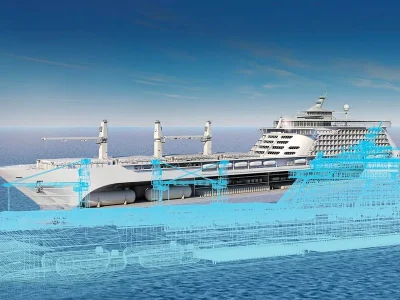
SOV vessels represent a significant evolution in offshore support technology, designed specifically to meet the demands of modern wind farms located miles out at sea. These ships are built with robustness in mind, featuring hulls optimized for stability in challenging marine conditions. Typically ranging from 80 to 100 meters in length, an SOV vessel accommodates a large complement of personnel, including mariners, technicians, and support staff. The design integrates advanced propulsion systems that allow for precise maneuvering, ensuring the vessel can maintain position near wind turbines without anchoring, which is crucial in sensitive seabed areas.
The primary role of an SOV vessel in offshore wind operations cannot be overstated. These vessels act as mobile platforms for ongoing maintenance, reducing the need for frequent trips back to port. By stationing themselves within the wind farm for extended periods, often up to four weeks, they enable technicians to perform routine inspections, repairs, and upgrades directly on site. This approach minimizes downtime for the turbines, which in turn maximizes energy output and project profitability. Moreover, SOV vessels are equipped with specialized equipment like motion-compensated gangways and cranes, facilitating safe access to turbine platforms even in moderate swells. This integration of technology and functionality underscores why SOV vessels have become indispensable in the push toward larger, more remote offshore wind installations.
Beyond their structural features, SOV vessels embody a commitment to sustainability in maritime operations. Their engines are often hybrid or designed for low emissions, aligning with global efforts to reduce the carbon footprint of the energy sector. Operators rely on these vessels to transport spare parts, tools, and consumables efficiently, ensuring that wind farms operate at peak performance. In essence, the SOV vessel bridges the gap between land-based planning and sea-based execution, making it a vital component in the renewable energy supply chain.
Safety Protocols in SOV Operations
Safety forms the bedrock of any SOV vessel operations manual, where the unpredictable nature of the sea demands rigorous protocols to protect lives and assets. At the heart of these measures is a comprehensive risk assessment framework that begins long before the vessel departs from port. Crew members conduct thorough pre-departure checks, verifying equipment functionality, weather forecasts, and emergency response plans. This proactive stance ensures that potential hazards, from mechanical failures to adverse weather, are identified and mitigated early, fostering a culture where safety is everyone’s responsibility.
Dynamic positioning systems are a key element in maintaining safety during SOV vessel operations. These advanced technologies allow the vessel to hold a precise location using thrusters and GPS, even in strong currents or winds. Redundancy is built into the system, with multiple power sources and sensors ensuring that a single failure doesn’t compromise stability. For instance, in DP2 or DP3 classed vessels, the setup tolerates the loss of a generator or thruster without drifting off station, which is critical when technicians are transferring to turbines. This level of control not only prevents collisions but also enhances overall operational reliability, allowing work to continue in conditions that might otherwise halt activities.
Walk-to-work systems further exemplify the focus on safety in SOV vessel environments. These hydraulic gangways, often motion-compensated, provide a stable bridge between the vessel and the turbine platform, enabling personnel to cross safely in wave heights up to several meters. Operational limits are strictly defined, with continuous monitoring of motion, loads, and alignment to prevent accidents. Training drills simulate various scenarios, ensuring that crew and technicians are proficient in using these systems under pressure. By prioritizing such innovations, SOV vessels reduce the risks associated with traditional ladder or basket transfers, which were more common in earlier offshore practices.
Emergency procedures round out the safety framework, emphasizing preparedness and rapid response. Every SOV vessel carries life-saving appliances like lifeboats, immersion suits, and medical facilities, with regular drills reinforcing evacuation protocols. In the event of an incident, such as a fire or man-overboard situation, clear communication channels and designated roles ensure coordinated action. Health and safety management systems, compliant with international standards, track incidents and near-misses to drive continuous improvement. This holistic approach not only safeguards the crew but also protects the valuable infrastructure of offshore wind farms, underscoring the vessel’s role in sustainable energy production.
Logistics Management on SOVs
Effective logistics management is pivotal in an SOV vessel operations manual, as it directly impacts the efficiency of offshore wind farm maintenance. These vessels function as floating warehouses, stocked with spare parts, tools, and consumables to support extended stays at sea. Planning begins with detailed inventory assessments, where operators forecast needs based on turbine maintenance schedules and historical data. This forward-thinking strategy minimizes the risk of shortages, ensuring that technicians have immediate access to what they need without costly delays.
Supply chain coordination is another critical facet, involving seamless integration between shore-based suppliers and the vessel. Regular resupply runs, often every few weeks, replenish stocks while allowing for crew rotations. Advanced tracking systems monitor inventory levels in real-time, alerting managers to low stocks or potential issues. Onboard storage is optimized with dedicated workshops and climate-controlled areas for sensitive components, preventing damage from humidity or temperature fluctuations. This organized approach streamlines workflows, allowing technicians to focus on repairs rather than searching for materials.
Technician transfers represent a logistical highlight in SOV vessel operations. Utilizing walk-to-work gangways and daughter crafts, these vessels facilitate efficient movement between the ship and turbines. Scheduling is meticulously planned around weather windows and turbine priorities, with dispatch systems assigning tasks based on urgency and technician expertise. This dynamic management ensures high utilization rates, where teams can address multiple turbines in a single shift. By reducing transit times compared to shore-based operations, SOV vessels enhance overall productivity and reduce fatigue among personnel.
Maintenance planning ties these elements together, with digital tools aiding in scheduling and tracking. Predictive analytics, drawing from sensor data on turbines, anticipate failures and prioritize interventions. Onboard planners collaborate with shore teams to adjust plans as conditions change, maintaining flexibility in the face of unpredictable weather. This integrated logistics framework not only boosts operational efficiency but also contributes to the long-term viability of offshore wind projects by minimizing downtime and optimizing resource use.
Crew Management Strategies
Crew management on an SOV vessel demands a balanced approach that prioritizes competence, well-being, and performance. The crew composition typically includes a mix of maritime officers, engineers, and wind farm technicians, each with specialized roles. Captains and navigators handle vessel operations, while technicians focus on turbine maintenance, supported by logistics and hospitality staff. This diverse team operates in shifts to ensure round-the-clock coverage, with clear hierarchies defining responsibilities to avoid overlaps or gaps in coverage.
Training and qualifications are non-negotiable in SOV vessel crew management. All personnel undergo rigorous certification, including maritime safety training and wind-specific courses like working at heights or confined spaces. Ongoing professional development keeps skills sharp, with simulations preparing teams for real-world scenarios. This investment in human capital not only complies with regulatory requirements but also builds a resilient workforce capable of handling the demands of offshore life.
Welfare and rotation policies play a vital role in sustaining crew morale and productivity. SOV vessels offer comfortable accommodations, recreational facilities, and nutritious meals to combat the isolation of extended sea deployments. Rotations, typically every two to four weeks, allow for rest and family time, preventing burnout. Mental health support, including access to counseling, addresses the psychological challenges of offshore work. By fostering a supportive environment, operators ensure that crews remain motivated and effective, contributing to the smooth execution of SOV vessel operations.
Frequently Asked Questions (FAQ)
What is an SOV vessel and how does it differ from other offshore support ships?
An SOV vessel, or Service Operation Vessel, is a specialized ship designed for long-term support of offshore wind farms. Unlike smaller crew transfer vessels that make daily trips from shore, SOVs serve as floating bases, accommodating teams for weeks at a time with onboard workshops and storage.
Why is dynamic positioning important in SOV vessel safety?
Dynamic positioning allows an SOV vessel to maintain a fixed position without anchors, using thrusters and sensors. This is crucial for safe technician transfers and prevents environmental damage to seabeds, enhancing overall operational safety in varying sea conditions.
How do logistics on an SOV vessel impact wind farm efficiency?
Logistics on an SOV vessel involve managing supplies, transfers, and maintenance schedules to minimize turbine downtime. Efficient inventory and planning ensure quick repairs, boosting energy production and reducing costs associated with delays.
What training is required for crew members on an SOV vessel?
Crew on SOV vessels need maritime certifications, safety training, and specialized wind energy skills. This includes courses on emergency response, equipment handling, and health protocols to ensure competent and safe operations.
How does crew rotation work on SOV vessels?
Crew rotations typically occur every two to four weeks, allowing personnel to rest ashore. This schedule maintains high performance levels, reduces fatigue, and supports work-life balance in demanding offshore environments.
What role do walk-to-work systems play in SOV operations?
Walk-to-work systems provide safe, stable access from the SOV vessel to turbines via motion-compensated gangways. They enable transfers in higher waves than traditional methods, improving accessibility and technician safety.
Conclusion
Navigating the complexities of SOV vessel operations requires a harmonious blend of safety, logistics, and crew management, each element reinforcing the others to achieve seamless offshore wind farm support. From the robust dynamic positioning that ensures stability to the meticulous logistics planning that keeps supplies flowing, and the thoughtful crew strategies that prioritize human factors, these vessels exemplify innovation in renewable energy. By adhering to these principles outlined in this operations manual guide, operators can enhance efficiency, mitigate risks, and contribute to a sustainable future. Ultimately, the success of an SOV vessel lies in its ability to adapt to the sea’s challenges while delivering consistent value, leaving a legacy of reliability and progress in the maritime world. As offshore wind continues to grow, embracing these best practices will not only meet current demands but also pave the way for even greater advancements.










Comments