
 By
By 
The accuracy of steel testing lab results directly affects safety and performance.
Understanding metal testing
Metal testing is a vital part of industrial services. It ensures that materials meet required standards before they are used in:
- construction
- manufacturing
- engineering projects
The process helps industries to:
- avoid failures
- maintain compliance
- deliver reliable products
Ensures material strength and durability
Metal testing confirms whether a material can handle the following:
- stress
- pressure
- environmental conditions
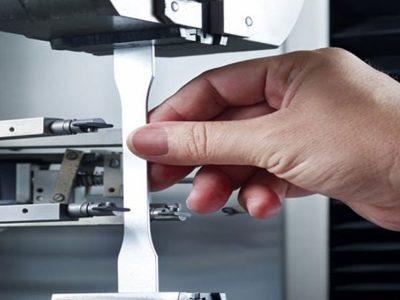
Some tests that reveal how metals behave under load, such as:
- tensile strength
- hardness evaluation
For example:
A construction company will test the steel beams in a high-rise building. This is done before using them. It ensures they support the structure safely.
Verifying the strength and durability of the steel helps industries to:
- prevent structural failures
- ensure long-term reliability
Improves safety in industrial applications
Testing metal is important to ensure its safety when used. Faulty or weak materials can cause:
- accidents
- equipment damage
- loss of life
Testing identifies the defects, such as:
- cracks
- corrosion
- impurities
The industries that rely on accurate testing helps maintain safe operations:
- oil and gas
- construction
- transportation
Proper testing helps reduce the risks. It protects the workers and infrastructure.
Maintain compliance with standards
Industrial sectors must follow:
- strict regulations
- standards
These are set by the authorities to ensure the steel is a quality material. Metal testing ensures materials meet these requirements before they are approved for use.
The testing methods confirm compliance without damaging the material, such as:
- chemical analysis
- non-destructive testing
Meeting the industry standards avoids legal issues. It ensures smooth project approvals.
Product quality and performance
Testing improves the overall quality of the metal products. The manufacturers can refine their processes and produce better outputs by understanding:
- composition
- properties of metals
For example:
An automotive manufacturer tests the metal parts to ensure they can:
- withstand high temperatures
- continuous use in engines
Quality materials can lead to:
- Better performance of products
- increased customer satisfaction
It reduces long-term costs
Testing requires investment. It helps save money in the long run. Detecting issues early help prevents:
- costly repairs
- replacements
- project delays
Accurate testing reduces material waste by ensuring only suitable metals are used in production.
Investing in testing helps you to:
- minimize financial risks
- improves cost efficiency
Supports innovation and development
Metal testing has an impact on research and development. It allows industries to:
- experiment with new alloys
- improve existing materials
Testing helps engineers to discover better combinations of:
- strength
- flexibility
- resistance
This can lead to advanced industrial solutions.
Testing metals will drive innovation.Industries will stay competitive and efficient.
FAQs
What is metal testing?
Testing is the process of evaluating the metal properties, such as:
- physical
- chemical
- mechanical
It ensures they meet the required standards.
Why is metal testing important in industrial services?
Metal testing is important because it ensures:
- safety
- quality
- compliance
- performance
What are types of metal testing?
The common methods of metal testing include:
Can metal testing prevent failures?
Yes. Metal testing identifies the defects and weaknesses before the material is used. This will reduce the risk of failure.
Is metal testing expensive?
Costs are involved. Testing metals can save money in the long term by preventing:










Comments